Author: admin

  • 5 Helpful Tips for Choosing the Right Flooring For Any Space

    5 Helpful Tips for Choosing the Right Flooring For Any Space

    Is it your first time shopping for flooring? Then you may find yourself overwhelmed by your options, each of which has its advantages and disadvantages.

    Installing the right flooring requires a considerable investment of time, money, and effort. But what is the right flooring for your home?

    Here we discuss the factors you need to consider when choosing the flooring that makes the most sense for your space.

    Helpful Tips to Consider When Shopping For Flooring

    Picking the right flooring can make or break your space. Here is a list of things to remember before shopping for your floors.

    • Consider Where You Need the Flooring

    Take a moment to consider where you are planning to install your new floor. In the laundry room? The living room? An outdoor patio? Your choice of flooring will vary depending on your answer.

    Note that the environment of each room is different. Your laundry room or basement is more humid than, say, your bedroom and therefore is more likely to need waterproof flooring. Your living room, meanwhile, is a high traffic area and so needs strong, durable flooring that will work well in that environment. An outdoor setting will require flooring that withstands weather, so tiles and stone are the better choices.

    • Understand Your Lifestyle

    Your lifestyle impacts your floors and vice versa. So, while most first-time buyers stay focused on how their flooring will look, they forget how their lifestyle will impact their floors.

    Do you have an active household with children and pets? Then hardwood floors will get scratched and scuffed more often. Though it is perfectly repairable, it is good to anticipate these issues beforehand. Or, if you have family members who suffer from asthma or dust mite allergies, you may want to reconsider buying carpet.

    Keeping all these aspects in mind makes it easier to get the right floors.

    • Stick to a Realistic Budget

    Whether you are buying floors for your office or home, it’s good to stick to a realistic budget. For instance, if you want hardwood flooring but can’t afford it, you can always choose more affordable alternatives like engineered hardwood, laminate, vinyl, or even tiles.

    If you are planning to live in your current home for many years, then investing in a good flooring option that adds value to the property is a good decision. Don’t forget to add the cost of installation into your budget.

    It is highly recommended, by the way, to get your flooring installed by a well-regarded floor installation company in your area for the best results. Repairing your brand-new flooring is the last thing you want.

    • Take Note Of Your Subfloor

    The subfloor is the base for your new floor, so make sure you have a good one. Understand what material it is made up of. If, for instance, your subfloor is composed of particle board, then you may not be able to install heavy flooring materials such as tiles, marble, or stones.

    Also, make sure that your subfloor is even and properly treated. Otherwise, you will be left with uneven and unstable floors. If your subfloor is humid, then it will affect flooring options such as solid and engineered hardwood, vinyl, and even laminates.

    If you live on the first or second floor of an apartment, make sure to ask about your subfloor. Then, speak to your contractor to ensure your new flooring will be able to support it.

    • Choose Attractive Flooring

    New floors should complement your interiors. No matter how expensive your flooring is and how well it is installed, it will fall flat if it doesn’t suit your space. Does your new flooring clash with the colour of your walls? Or is the lighting in a specific room making your floors look dull?

    Always try out samples before purchasing. This way, you will pick an option that actually compliments your space.

    Keeping these factors in mind when shopping for your floors will help you pick the right one in no time. Look out for discounts and take advantage of seasonal sales to get the best value. Always take your time when selecting your flooring options and pick reputable brands to ensure you get high-quality products. Contact a well-regarded flooring installation service in your area to avoid the hassle of bad installation.

  • Importance of Digital Marketing in Mobile App Success

    Importance of Digital Marketing in Mobile App Success

    Using the power of social media is essential for promoting your mobile app. While traditional marketing methods like newspapers, radio, TV, and hoardings are still important, your business must leverage the power of the web to increase visibility and target your potential users. Social media gives you insight into your potential users. Ideally, you should begin your digital marketing campaign during the early stages of the development process. This will give you time to refine your messaging and get your app in front of the right audience.

    It’s also important to consider your audience. While your product may be useful to a broad audience, it may not have the right type of audience. Your marketing efforts should target your audience and appeal to their specific needs. To make sure you reach the right audience, use iterative testing to determine what type of content appeals to your audience. You should allocate enough funds to your digital marketing campaign. For the purpose of measuring results, try running a few A/B tests to see how effective your campaigns are. If you can’t generate revenue from your app, you can always allocate more funds to your next project.

    Creating multiple user categories and controlling content delivery is another important aspect of digital marketing. It helps you make personalized recommendations, send personalized in-app messages, and better understand the average customer’s journey. In addition to this, adding features that engage customers and improve engagement are important. A poor user interface can make a user experience less positive. By integrating a variety of user interfaces, you can increase your conversion rates and improve your marketing strategies.

    Using the power of social media is essential to your mobile app’s success. But what if it doesn’t work? Your strategy should be based on the results of the testing. Your advertising campaigns must be targeted to the right audience in order to achieve your goals. Using these tips will improve your marketing and increase your app’s chances of success. It is crucial to plan your digital marketing campaign to reach the right audience, and you should allocate enough funds to achieve this goal.

    Segmented targeting is vital for mobile app success. It allows you to reach a specific audience and tailor your messages to meet their needs. By using this method, you can ensure that your mobile app’s marketing campaign is effective. Lastly, digital marketing is essential for mobile apps to increase user engagement. Using digital marketing techniques to drive sales is crucial for the success of your mobile app. Your strategy can help you achieve your goals and maximize your customer base.

    The right strategy can help your app succeed by increasing engagement. While word-of-mouth is the most effective marketing strategy, it is not enough to get noticed by people. You need to reach the right audience. A good app will have high ratings from consumers who are actively engaged. Therefore, a quality marketing plan is essential to ensure your app’s success. So, make sure to invest in your digital strategy.

    As more people use their mobile phones, it is essential for businesses to develop a mobile app. According to a recent study, more than 75 percent of consumers download apps from brands they are loyal to. Eighty-five percent of those consumers have positive experiences with apps, and more than half report that their apps are a valuable resource. The success of your mobile app is all about well-planned mobile marketing and a solid app.

  • Facial Recognition in Smart Cities

    Facial Recognition in Smart Cities

    The Implications of Facial Recognition in Smart Cities


    Using facial recognition in smart cities is a growing trend. Despite the benefits, it is still controversial. Some critics argue that it can lead to dangerous incidents. In other words, the use of this technology may make cities less secure. On the other hand, it could improve public safety and enhance city operations. Here’s what to expect from smart cities that use face recognition. This article explores the implications of facial recognition in cities.

    Regardless of whether or not a city uses this technology in a smart city, there are some important considerations to keep in mind before implementing it. One of the most important factors is the privacy of citizens. Using facial recognition in smart cities will increase public safety by enabling cities to monitor people’s movements in real time. This will help protect citizens, as well as the safety of the city. But there are also many challenges.

    Privacy concerns and privacy rights are another concern. While the use of facial recognition is widespread in some cities, privacy advocates fear that the practice could lead to a rogue system. In China, for instance, CCTV surveillance is ubiquitous, and advanced facial recognition software is an integral part of the Communist government’s security operations. Luckily, some systems are being developed privately. Clearview is a smartphone-based facial recognition system developed by Sense Time, a Chinese AI company with investors including Qualcomm and Alibaba Group.

    The use of facial recognition technology is becoming increasingly widespread, but some concerns are preventing it from gaining widespread adoption in cities. A national report by the National League of Cities calls for more stringent privacy protections and strict cybersecurity standards for the technology. The report cites concerns regarding police use of facial recognition in smart cities and recommends that cities implement a rigorous training program and adopt strict data storage and cybersecurity standards. Further, the report says that facial recognition should only be used in certain settings and that it should be restricted from police use.

    A recent study by the National League of Cities shows that the use of facial recognition in smart cities is on the rise. Its use is already expanding rapidly, with some cities limiting it for public safety. Meanwhile, some cities are still hesitant to deploy the technology for fear it might compromise safety. They can, however, add information to facial recognition to the database to help police identify a suspect. For instance, a city can add a criminal’s profile to the facial recognition database.

    Aside from public safety, the use of facial recognition in smart cities has many other benefits. It can help improve traffic and prevent crime. Furthermore, the use of face recognition technology in smart cities has the potential to enhance public security efforts. Further, the technology is also useful for tracking criminals. In addition to being a security measure, smart cities can improve their energy efficiency and public safety. The research suggests that face recognition is an essential part of many smart cities and that it is a valuable addition to security.

    Despite its benefits, it has some drawbacks. Although it has many benefits, it is still controversial. Some privacy advocates believe that it is a security risk. In addition to providing additional security, the technology also can improve public safety. It can help police identify individuals who are dangerous to society. The technology can be installed on street cameras, and city officials can even use it to track criminals. The use of facial recognition in smart cities is not limited to crime. It can be used for surveillance and to keep track of missing people.

    The development of smart cities has many benefits. For example, facial recognition can reduce crime and enhance mobility. It can improve access to municipal areas and prevent violent crimes. It can also enhance public safety, as it can be used to identify a criminal. The use of facial recognition in smart cities is a must for any city today. The cost of deploying these systems is high. And while some applications are legitimate, many have been misused.

  • Benefits of Progressive Web Apps

    Benefits of Progressive Web Apps

    There are several benefits of creating Progressive Web Apps (PWAs) over native apps, including a single code base, a larger developer community, and the ability to run on mobile devices. PWAs also save data while offline, making them faster to deploy than native apps. This technology uses HTML and JavaScript to build web applications, and a JS framework to connect JavaScript models to HTML views. Moreover, PWAs use a small amount of device storage.

    One of the most common benefits of Progressive Web Apps is their offline capabilities. When a user is offline, they can still use the same app, thanks to the ability to cache the interface and update it frequently. The service worker updates the content in the web app, making it accessible even when the device is offline. The update process ensures that new content can be displayed instantly. When a user opens a PWA, it will automatically load from local storage and download the latest version of the app.

    Progressive Web Apps also improve user experience. Usually, progressive web apps contain dynamic UI elements. When users are offline, a cached version of the app interface will display, and the user can view the same application interface with ease. In addition to this, Progressive Web Apps can be built quickly and easily. Because they take advantage of frameworks and services, they offer a more seamless experience than a website. In addition, they can be used offline without requiring internet access.

    A service worker supports offline work mode. A service worker is a JavaScript file that responds to network requests and user interactions. It runs only when required to perform a specific task or process a specific event. This means that when a user is offline, they can view the same information as when they are online. They can also use push notifications to keep users engaged and informed. They can send these messages even when their device is closed, which makes it a great way to get users to download the latest version.

    Another major advantage of Progressive Web Apps is that they can be downloaded to the home screen. When a user is offline, a PWA will display the cached version of its interface. This means that the user will not have to install the app and will be able to access it offline whenever he or she wishes. If the user wants to download the app, it will be stored on the device. This makes it a very good option for websites that want to stay in touch with users.

    Another advantage of Progressive Web Apps is that they are compatible with different operating systems. They can run on any device regardless of the platform. This means that users can access apps on any device, including PCs and mobile devices. Hence, Progressive Web Apps are a great choice for websites. They are easy to build and have many advantages. They combine the benefits of a native app with a website. This allows users to work offline, without relying on the internet.

    The main feature of a Progressive Web App is its ability to be downloaded offline. The user will no longer need to search for an app store to access it. Moreover, the app can be downloaded directly from the web. The best thing about this technology is that it has a great user experience. Unlike native apps, Progressive Web Apps do not need to be downloaded. It’s built by leveraging the power of the Web App Manifest.

    One of the key advantages of Progressive Web Apps is their ability to be downloaded offline. They can work without any internet connection and can even be saved to the home screen. They are more convenient than native apps in terms of speed and convenience. They can also be downloaded and installed on multiple devices and are more responsive. This makes PWAs a great choice for websites that want to make their content more accessible to users. In addition to this, they allow the user to access and use the app even when the internet is not available.

    These apps are also available offline. This means that they can function even when the internet connection is slow. Additionally, users can use PWAs even when they are offline. Because the app has no dependencies on network connections, it will be available wherever they are. It will also allow the user to receive push notifications if they need to access the same information. When this happens, the user is guaranteed to have a great experience, as it will not need to download an app.

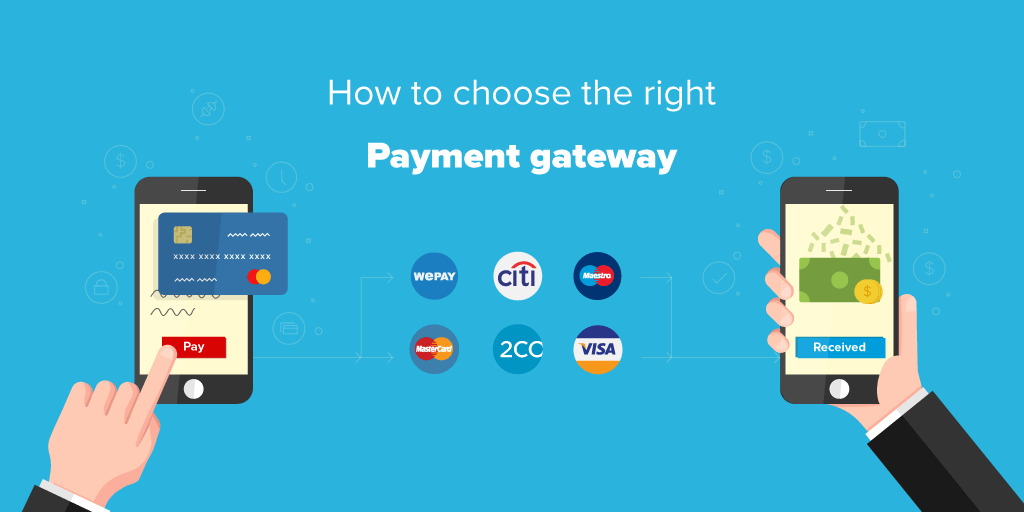
  • What to Consider When Choosing the Payment Gateway

    What to Consider When Choosing the Payment Gateway

    When choosing a payment gateway, there are several factors to consider. While some gateways offer self-serve tools, others require manual intervention by a trained staff. Additionally, some payment methods can be a bit more secure than others. Choosing the right payment gateway can make a huge difference in your bottom line. Read on to learn more about the top three factors to look for. Then, shop around for the best options for your business.

    The fee structure is another factor to consider. Depending on your needs, you may want to pay a per-transaction fee or a monthly subscription fee. Some payment gateways are free, but recurring payments are more expensive. You should also make sure your payment gateway supports recurring payments. Many providers don’t support recurring payments, so be sure to check whether they offer this option. In addition, check if they have a chat support option available during standard business hours.

    A payment gateway should offer customer support around the clock. Even if your customers have trouble completing the payment process, an hour of downtime can damage your business. You should also choose a payment gateway that offers 24/7 phone support and a variety of contact options. A bad payment gateway will cost your business money and damage your reputation. Listed below are some things to consider when choosing a payment processor. If you’re not sure about the fees, consult with your merchant or developer and decide if you’d like to go with a different payment method.

    A payment gateway should have multiple payment methods. You may want to use a payment gateway that supports multiple payment options. You should also check if it has third-party security options, which include 3D Secure (a one-time-use code). A payment gateway should offer the functionality to accept recurring payments. The payment gateway must also support a variety of languages, including English, to avoid causing confusion among your customers.

    Choosing a payment processor that supports international currency transactions is essential for your online business. If you’re selling products internationally, you should check if your payment processor supports the currency of your customers. If your payments are only conducted in the US or Canada, make sure that the payment processor supports transactions made by international customers. Moreover, a payment system that supports recurring billing is essential if you plan on running your business on a daily basis.

    Choosing a payment processor that supports multiple currencies is essential. A payment processor that supports multiple currencies and supports mobile payments is essential for your business. In addition to processing international payments, it should also support recurring billing. A payment provider that does not support recurring payments may eat into your earnings. The cost of a payment gateway should be based on the amount you earn. If you’re earning a high percentage of your revenue, choose a service that provides support for recurring transactions.

    You must choose a payment processor that supports recurring payments, mobile payments, and multiple currencies. Ensure that the payment gateway supports all of these options. Furthermore, the payment processor you choose should be easy to integrate, and should allow you to accept multiple currencies. A few key factors to consider when choosing a payment processor are the amount of fees and the type of merchant account. This will affect your business’ ability to accept different types of payment.

    Ensure that your payment gateway provider is PCI DSS-compliant. This means that it complies with the PCI DSS standard. Moreover, it should be PCI-certified. It must be able to support recurring payments. It must also be PCI-compliant. Lastly, the payment processor should have a good reputation. If your company is based in another country, make sure that the language is readable.

    A payment gateway should be compatible with your website. The website must be compatible with the payment gateway you select. This means that it should support mobile devices. You should also look for a payment gateway that offers chat support. Alternatively, you can outsource the integration process to a third party. If you can afford to hire a payment integration specialist to handle the process, you can focus on other tasks in your e-commerce business.

  • Benefits of Progressive Web Apps

    Benefits of Progressive Web Apps

    There are several benefits of creating Progressive Web Apps (PWAs) over native apps, including a single code base, a larger developer community, and the ability to run on mobile devices. PWAs also save data while offline, making them faster to deploy than native apps. This technology uses HTML and JavaScript to build web applications, and a JS framework to connect JavaScript models to HTML views. Moreover, PWAs use a small amount of device storage.

    One of the most common benefits of Progressive Web Apps is their offline capabilities. When a user is offline, they can still use the same app, thanks to the ability to cache the interface and update it frequently. The service worker updates the content in the web app, making it accessible even when the device is offline. The update process ensures that new content can be displayed instantly. When a user opens a PWA, it will automatically load from local storage and download the latest version of the app.

    Progressive Web Apps also improve user experience. Usually, progressive web apps contain dynamic UI elements. When users are offline, a cached version of the app interface will display, and the user can view the same application interface with ease. In addition to this, Progressive Web Apps can be built quickly and easily. Because they take advantage of frameworks and services, they offer a more seamless experience than a website. In addition, they can be used offline without requiring internet access.

    A service worker supports offline work mode. A service worker is a JavaScript file that responds to network requests and user interactions. It runs only when required to perform a specific task or process a specific event. This means that when a user is offline, they can view the same information as when they are online. They can also use push notifications to keep users engaged and informed. They can send these messages even when their device is closed, which makes it a great way to get users to download the latest version.

    Another major advantage of Progressive Web Apps is that they can be downloaded to the home screen. When a user is offline, a PWA will display the cached version of its interface. This means that the user will not have to install the app and will be able to access it offline whenever he or she wishes. If the user wants to download the app, it will be stored on the device. This makes it a very good option for websites that want to stay in touch with users.

    Another advantage of Progressive Web Apps is that they are compatible with different operating systems. They can run on any device regardless of the platform. This means that users can access apps on any device, including PCs and mobile devices. Hence, Progressive Web Apps are a great choice for websites. They are easy to build and have many advantages. They combine the benefits of a native app with a website. This allows users to work offline, without relying on the internet.

    The main feature of a Progressive Web App is its ability to be downloaded offline. The user will no longer need to search for an app store to access it. Moreover, the app can be downloaded directly from the web. The best thing about this technology is that it has a great user experience. Unlike native apps, Progressive Web Apps do not need to be downloaded. It’s built by leveraging the power of the Web App Manifest.

    One of the key advantages of Progressive Web Apps is their ability to be downloaded offline. They can work without any internet connection and can even be saved to the home screen. They are more convenient than native apps in terms of speed and convenience. They can also be downloaded and installed on multiple devices and are more responsive. This makes PWAs a great choice for websites that want to make their content more accessible to users. In addition to this, they allow the user to access and use the app even when the internet is not available.

    These apps are also available offline. This means that they can function even when the internet connection is slow. Additionally, users can use PWAs even when they are offline. Because the app has no dependencies on network connections, it will be available wherever they are. It will also allow the user to receive push notifications if they need to access the same information. When this happens, the user is guaranteed to have a great experience, as it will not need to download an app.

  • Best Android Frameworks For App Development

    Best Android Frameworks For App Development

    With the huge popularity of Android, many businesses have decided to use this platform for their apps. However, one of the main concerns of developers is which of the many available frameworks is the best. In this article, we’ll look at some of the most popular frameworks for Android app development. In addition, we’ll also talk about some of the features of each framework, as well as how they differ from one another.

    Cordova is an open-source Android framework that allows developers to create cross-platform applications. Because it is an open-source project, you can freely download it and use it for any project. And as it uses standard web technologies, it provides a bridge between mobile apps and web apps. And because it works with various platforms, you can also access native APIs. Those benefits make Cordova a good choice for desktop applications, which often have complex UIs.

    React Native is an open-source platform that lets you develop native and cross-platform mobile apps using a single JavaScript codebase. It has a large library of pre-built UI components and APIs and boasts of hot-reload, which allows developers to make updates without interrupting the current state of the app. It’s a powerful framework for developing android apps. If you’re in the market for a new framework, don’t hesitate to check out MobileAppDaily. This website will provide you with the latest technology and insights into the current framework landscape.

    The next major framework is Cordova. This framework was created by Facebook, which has since become a popular tool for mobile app development. The reason it’s so popular is that it’s compatible with other popular programming languages, including Objective-C and Java. Its low learning curve makes it one of the most popular Android frameworks today. But don’t be fooled by these features – they’re far from perfect. Rather, they’re just the best options for your project.

    Android developers need a framework that allows them to customize the user experience and minimize speed bumps. A framework should give developers access to best practices and libraries and make it easier for them to write high-quality code. This should be an advantage in any project, from a business to a social network. With the right framework, you’ll be able to create a high-quality app with minimal effort. So, let’s take a look at some of the most popular frameworks for Android app development.

    The best Android frameworks for app development have several common features. Depending on your project, they will help you create an app that is flexible, scalable, and has a high-quality user experience. The following are just a few of the best Android frameworks for application development. Regardless of your needs, these frameworks will make your life easier and your projects more profitable. So, what are you waiting for? Get started today and start developing the next big project in the Android world.

    The best Android frameworks are crucial for a developer. The best frameworks for app development should be able to meet the requirements of each project. It’s important to keep in mind that each program has its own requirements. So, if you’re planning to create an application for mobile devices, it’s important to choose the right ones. For example, a lightweight but powerful application will not require much space and will be easy to download.

    There are many different types of Android frameworks for app development. The most popular and widely used is native Android development. It requires Java, C++, or Kotlin. It allows you to use all the features of your device and its platform. This means that the most suitable framework will work best for your project. You’ll need to choose the right one for your project. For example, native Android apps can be developed using native languages, such as Kotlin.

    Android frameworks are a great way to develop apps for mobile devices. The best ones offer a wide range of features, making them ideal for any project. Most of them are free and open source. If you’re considering building apps for different platforms, you’ll need to select the right framework to fit your needs. The right frameworks will speed up your project. This will ultimately benefit your business. This is the foundation for the success of your app.

  • What Is Low Code App Development and Examples

    What Is Low Code App Development and Examples

    When developing an app for your business, it is important to understand what is low code app development, and how it can benefit you. Generally, these types of apps are used for internal systems that are used within a company. While traditional development methods can take a long time, they can be costly and require many skilled resources to complete. Besides, low code application development allows for quick rebuilds of your app and allows you to scale it as you grow. This means that you can scale it as needed while still maximizing cost optimization.

    Another benefit of Low Code apps is that they can increase your speed to market. While traditional development processes can be expensive, they can be impractical for some businesses. Moreover, many organizations don’t have the resources to hire a team of developers who are capable of coding at a high level of complexity. Using a low-code app development platform will help you develop apps at a lower cost.

    One of the biggest disadvantages of low code apps is that they are harder to debug. Developers of traditional apps can access all algorithmic states and data structures of their apps. In contrast, low-code applications keep much of the developer’s information out of the view of the end-user. As such, the practice of low code app development is not taught in academic institutions. Instead, developers must spend time learning about and using the proper tools to build their apps.

    Low-code apps can be developed by individuals without a background in programming languages. While learning the language of low-code apps is easier than traditional development, the process is still difficult. Fortunately, there are many resources for low-code developers. The only downside is that they aren’t beginner-friendly. While it can be useful for experienced developers, it will not help anyone who isn’t a developer. Although low-code is easier to understand, it will not replace the need for trained professionals.

    There are many advantages of low-code app development. The first is that it is easier to create applications than other forms of mobile development. It can also be more affordable, and many people can’t afford a full-blown mobile application development project. The other benefits are flexibility, ease of use, and simplicity. These are important considerations when choosing low-code tools. However, these platforms are not all the same. You should make sure you choose the right one for your needs.

    Low-code apps can be more complex than traditional apps, but it can be a good choice for organizations of all sizes. The software allows you to build an app quickly, customize it, and deploy it to multiple devices. This means that low-code apps are easy to create and maintain. The best part of low-code development is that it doesn’t require a lot of knowledge in programming. If you don’t have the time to learn the language, you can start building apps in no time.

    Another big advantage of low-code applications is that they are easier to maintain and can be adapted for various business needs. Unlike other types of apps, low-code apps are often more customizable and scalable, and can be tailored to any size company. If you’re not comfortable with this approach, you can still hire a developer to help you out. It’s essential to have a team of developers and a team of experts to answer your questions.

    While it isn’t difficult to learn to use low-code apps, the platform has its limitations. It is based on JavaScript, which is a popular programming language for creating applications. It can also be confusing to use low-code apps. While it might sound like a good idea for you, a high-code app is hard to develop for a business. In addition to that, low-code apps can be costly, but you’ll save a lot of money and time.

    The main advantage of low-code apps is that they are fast and easy to deploy. Most of these applications are created with predefined components that are easy to customise. They can be made to meet specific business requirements. A low-code application is usually much more secure than a high-code one. It will run faster, have more flexibility, and be easier to maintain. The best examples of low-code apps are the ones that have fewer features, but are still functional.

  • Best Android Frameworks For App Development

    Best Android Frameworks For App Development

    Best Android Frameworks For App Development

    The best Android framework is the one that allows you to write one codebase and adapt it to various platforms. Depending on the goals of your project, this framework is ideal for developing hybrid mobile apps. The platform also supports HTML, CSS, JavaScript, XML, and CSS, and provides an intuitive interface. The framework also has a large user base and regularly releases new versions. You can depend on it for a stable workflow.

    An android framework comes with libraries, best practices, and extensive help documentation to help you build an app quickly and easily. Using a framework will cut down on the amount of time you spend reinventing the wheel and enable you to write high-quality code faster. The framework will also provide you with access to the best practices and libraries for your project, reducing the time you spend rewriting the same code. It will also make it easier to find and use a community of developers who are willing to help you out.

    Intellectsoft experts will introduce the key features of each framework, as well as the best projects that each can be used for. This way, you will have an idea of which Android frameworks are best for your next project. You’ll also gain a better understanding of which one to use for your own project. The best Android frameworks are free, open source, and available on Google Play. The AppDaily is a great resource for learning about the framework landscape and the latest technology.

    Aside from being free, Sencha Touch also provides an open source Javascript framework. This framework is a popular choice for Android app development and is used by Apple. The framework offers a clear MVC design for a fast, reliable app. Its community is dedicated to creating native mobile apps, so it is often hailed as the best Android framework. The developer community has been satisfied with its quality, ease of use, and affordability, and the many advantages it provides.

    Sencha Touch is an open-source framework for Android that is certified by the MIT. It supports HTML5, CSS3, and JavaScript and encourages developers to use hardware acceleration techniques. The AppBuilder is an excellent choice for information-based Android apps. It integrates with social media platforms and Google Play. Ionic is also one of the best android frameworks for app development. TheAppBuilder is the most popular of the three.

    Native Android SDK is a popular choice for building native Android apps. It is highly customizable and provides genius tools for mobile application development. Its UI is responsive, and it works well on all types of devices. You can use it for web applications, games, and other web applications. While native apps are typically the most secure and functional, they are also the most expensive. The best android frameworks for app development are based on your project’s needs and your budget.

    Choosing the right framework for your project is essential. A framework should make the process of creating mobile applications as simple as possible. It should also provide a good set of libraries for a developer’s needs. It should also provide comprehensive documentation for users. By using Android frameworks, you’ll avoid the risks associated with developing custom apps. These frameworks are great for speedy mobile development. The following are the best Android frameworks for app creation.

    The Sencha Touch SDK is an open-source framework that is compatible with many Android devices. It has native themes, and almost 50 built-in UI components. It supports AngularJS, and is a favorite of many developers. It also has an active community of developers. Unlike other platforms, Android apps built with Ionic are more efficient and more flexible than other Android frameworks.

    Android frameworks are essential for developing apps. They are indispensable for developing mobile apps, but the best ones will save you time and money. Fortunately, there are a variety of them on the market. Just keep in mind that the best one for you will depend on the kind of app you’re making and the requirements of your project. Then, choose the best framework for your project. And don’t forget to try out a few!

  • Low-Code App Development – The Low-Code Guide

    Low-Code App Development – The Low-Code Guide

    There are many benefits to Low-Code application development. For businesses, having a streamlined workflow is a great start. In addition to delivering better products, advanced Low-Code applications can help them build scalable, maintainable and reliable products. This will ultimately lead to more satisfied clients. The Low-Code Guide can provide a step-by-step guide for businesses looking to build the next best thing for their business.

    Although low-code app development isn’t a new concept, it is a relatively new trend. Many developers have been using a tool called Xamarin.org to create a user interface (UI) without writing any code. This trend has been catching on with businesses who don’t have the time or know-how to do it themselves. The user experience is their main priority, so low-code tools make it easy for them to do just that.

    The low-code trend has become more popular with developers. This type of development allows companies to build apps with minimal coding, while retaining a high level of customization. These tools allow businesses to focus less on technical issues and focus more on improving the customer experience. It is not uncommon to find working apps in just a few hours. These tools make it easier to produce applications for different markets and sectors. These tools are ideal for small businesses and startups looking to scale.

    What is low code app development?

    A popular approach is to develop apps using a drag-and-drop platform. This tool can produce an app that can be customized and deployed in a matter of hours. And because these tools are easy to use, even non-technical employees can create them. A simple user interface can improve productivity and solve business challenges. In other words, these tools make it easier for average Joes to use and build apps.

    While low-code is popular among developers, it’s also becoming a popular choice for business users. This type of development allows businesses to create a product without any coding. Using low-code tools can allow a business to quickly translate their ideas into a functional application. With a good app, a business can easily grow and change. The process doesn’t require a large investment.

    Low-code development has many advantages.

    It doesn’t require a high-end developer. Rather, it requires a basic understanding of coding and can enable even novices to design apps with little to no experience. In fact, low-code apps are a great way to transition from an old system to a modern one. It also makes it easier to update existing systems and migrate to new architecture.

    Low-code application development is a popular method of software development. It allows developers to develop apps with minimal coding. Traditional applications can take several months to develop, while low-code applications can be created within a day. With no-code development, the developer simply needs to understand the platform’s features and functions and then drag and drop the components. Its advantages can be both intuitive and useful. So, it’s important to consider whether low-code development is right for your business.

    Despite the advantages of low-code, it’s important to remember that the software isn’t created by a programmer. It’s built by an experienced developer. They need to be able to access the database of the program. And they need to be able to access the data stored in the application to make the necessary changes. As a result, low-code application development is a more flexible solution to a traditional programming environment.

    The technology behind low-code application development is a relatively new concept. Previously, the concept of low-code app development was limited to the use of “citizen developers” – people who are highly skilled in using a software platform. By allowing the power users to create custom applications, it has become possible for average employees to build apps for their businesses. This is a huge benefit for organizations.